How Hillary Improved Insulin Sensitivity With Type 1 Diabetes In Just 7 Days
If you live with type 1 diabetes and feel like you have to choose between high blood sugar or cutting carbs forever, Hillary’s story will feel very familiar.
Hillary had type 1 diabetes and had followed a high fat low carb lifestyle since she was about eleven years old. On paper she was doing what many in the type 1 diabetes space are told to do.
But inside her body things were getting worse. She was dealing with:
Worsening insulin resistance
High blood sugars
Weight gain
Constant anxiety about potential complications and dialysis
She denied herself many of her favorite carbs for years including potatoes, fruit, and bread because that was what she had been told by other professionals and people with type 1 diabetes.
She tried traditional advice from endocrinologists and functional medicine doctors. At one point a doctor told her she was their most confusing patient.
That does not exactly inspire confidence…
Underneath all of that she feared she was on a fast track to diabetes complications and possibly dialysis within the next few years.
After hearing me talk about type 1 diabetes and root cause blood sugar on a podcast she reached out to our team. For the first time she felt like someone actually understood the unique challenges of type 1 diabetes, particularly insulin resistant blood sugars.
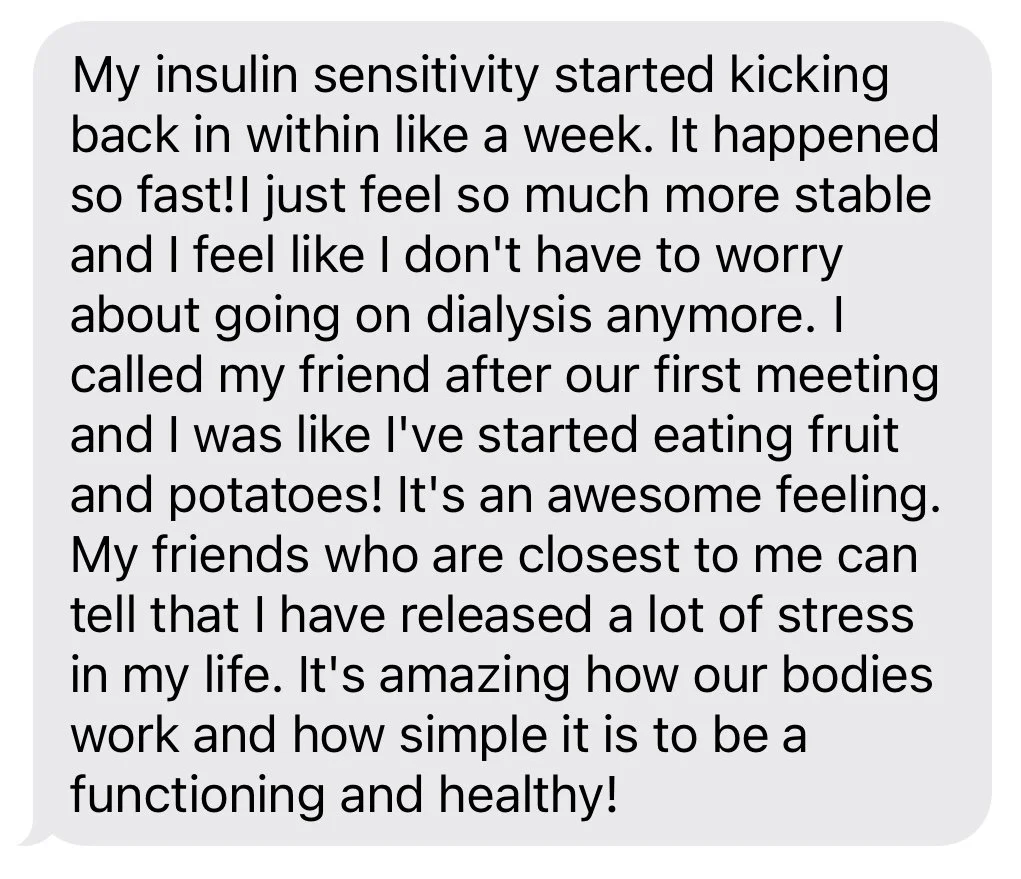
What happened next surprised even her. Within 7 days she started to move from insulin resistant to insulin sensitive while eating more and reintroducing carbs!
Who We Are And Our Root Cause Approach For Type 1 Diabetes And Insulin Resistance
I’m Isaac Pohlman, a registered dietitian, fellow person with type one diabetes, and the CEO of The Pohlman Institute.
Our team helps clients all over the world
Balance blood sugar
Lower A1c
Improve insulin resistance and carb tolerance
Restore their health
without cutting out carbs or relying only on medication.
Inside our program, The Pohlman Method, we focus on three main pillars
Finding your sweet spots for carbs, movement, stress, and lifestyle so you can see fast blood sugar improvements without feeling restricted
Reviving your metabolism with personalized nutrition and routines so you feel better while numbers improve
Achieving carb freedom by addressing deeper mineral imbalances and stress so you can enjoy stable blood sugar with more peace of mind
Hillary’s type 1 diabetes case study is a clear example of how this works when someone has insulin resistant blood sugars and is tired of high fat low carb plans that still leave blood sugar unstable.
When you’re ready to stabilize your blood sugar while eating carbs, like Hillary, you can apply here to get support, guidance, and accountability from a team that has both been where you are and truly understands the causes of blood sugar issues!
Hillary’s Starting Point High Fat Low Carb And Insulin Resistant Type 1 Diabetes
Before joining The Pohlman Method, Hillary had managed her type 1 diabetes with a high fat low carb lifestyle for many years and trying to keep insulin doses low by keeping carbs low.
Even though she was “doing everything right” according to the high fat low carb approach, she was dealing with
Worsening insulin resistance
Higher blood sugar trends
Weight gain
Anxiety about her future health and diabetes complications
She felt stuck between conventional advice that did not help and functional advice that was not working either.
Step One: Eating More To Support Insulin Sensitivity And Blood Sugar Stability
One of the biggest patterns we see with clients who have type 1 diabetes and insulin resistance is simple.
They are not eating enough to support their body.
Hillary was no exception.
On the surface it can seem logical to eat less to improve insulin resistance. Less food, fewer carbs, lower insulin doses. The problem is that under eating keeps the body under fueled and stressed, which can worsen insulin resistance and blood sugar swings.
We used a simple picture to shift her thinking. Imagine these two meals:
Yogurt and berries
Steak, sweet potato, and Brussel sprouts
The carbs and protein could be exactly the same on paper, but which meal will actually keep you full and satisfied for hours? The dense meal with steak, sweet potato, and Brussel sprouts!
Many people with blood sugar issues and type 1 diabetes live on “light” meals that do not truly nourish them. As a result:
Hunger returns quickly
Blood sugar can become more erratic
The body does not get the building blocks it needs to work well
With Hillary we shifted from light, under fueled eating to truly nourishing meals that matched what her body needed. We focused on:
Solid protein at meals
Satisfying carbs in combinations that worked for her body
Enough food to support metabolism rather than starve herself
As she started eating enough and eating more balanced, dense meals, she noticed:
More stable blood sugar
Better energy
Improved mood
More capacity to move her body
This shift in nourishment was a big part of why her insulin sensitivity started to improve within just 7 days.
Step Two: Reducing Stress And Adding Supportive Movement
Stress is one of the most powerful drivers of insulin resistance in type 1 diabetes. When stress is high and constant:
The body releases more stress hormones
Those hormones make insulin less effective
Blood sugar rises even when food and insulin look the same
For Hillary we worked on both stress and movement. We helped her:
Build short breaks into her workday before she felt overwhelmed
Take time to do nothing and let her nervous system relax
Spend more time outside in short bursts
Ease back into the gym in a way that matched her energy
At first she did not have the capacity for intense workouts, so we started with more walks and gentle movement. As her energy returned she was able to do more of the gym activities she enjoyed.
This combination of stress reduction and realistic movement:
Boosted her insulin sensitivity
Stabilized her mood
Improved clarity and focus
Her friends even commented that she looked like a weight had been lifted off her shoulders!
Step Three: Fixing Mineral Imbalances And Reintroducing Potassium Rich Carbs
The third key piece for Hillary was mineral balance. We ran a mineral test and found that she was:
Very low in potassium
Low in sodium
Using up a lot of magnesium
This pattern told us:
Her body had been under significant stress for a long time
Her stress response was still very exaggerated
She did not have the mineral reserves to support good insulin sensitivity and blood sugar control
With mineral work there are two main goals:
Help the body stop wasting minerals so fast
Replenish minerals in ways the body can actually use
We used the lifestyle work from above to help her body hold on to more minerals instead of burning through them.
Then we focused on replenishing primarily through food.
Many of the carbs she had avoided for years are actually rich in potassium and other helpful nutrients
Potatoes
Sweet potatoes
Fruits
These foods are powerful allies for blood sugar when used in the right way for the person.
We slowly reintroduced these potassium rich carb sources and monitored Hillary’s biofeedback
Blood sugar trends
Energy
Cravings
Mood
As her mineral balance improved and her body had enough potassium, sodium, and magnesium, her insulin sensitivity became more stable instead of swinging wildly.
This mineral and carb work is what allowed her to enjoy foods like fruit and potatoes while seeing better blood sugar, not worse.
Results From Insulin Resistant To Insulin Sensitive With Type 1 Diabetes
After putting these pieces of The Pohlman Method in place, Hillary saw changes quickly and then watched them sustain.
She:
Improved insulin sensitivity in just seven days
Saw more balanced blood sugar throughout the program
Enjoyed carbs like fruit and potatoes again
Gained energy for workouts and outdoor activities
Felt calmer and more clear headed
Let go of the constant fear of dialysis and complications
Said this approach was the missing piece she had been looking for over 15 years!
Instead of high fat low carb with rising insulin resistance and anxiety, she moved into a more nourished place with better insulin sensitivity and a more flexible way of eating.
What Hillary’s Type 1 Diabetes Case Study Means For You
If you have type 1 diabetes and:
Feel stuck in a high fat low carb way of eating
See insulin doses creeping up while blood sugars stay high
Are afraid to eat carbs like potatoes, fruit, or bread
Feel like no one understands what is going on in your body, you are not alone!
Dealing with insulin resistant blood sugars when you have type 1 does not mean you are broken.
It usually means your body is under fueled, under supported, and missing key pieces like mineral balance, stress support, and truly nourishing meals.
With a root cause approach you can:
Improve insulin sensitivity
Stabilize blood sugar
Eat carbs again in a way that works for your body
Feel better physically and mentally
When you’re ready to stabilize your blood sugar while eating carbs, like Hillary, you can apply here to get support, guidance, and accountability from a team that has both been where you are and truly understands the causes of blood sugar issues!