How Kalli Stopped Blood Sugar Crashes And Spikes While Eating More Carbs
Our client Kalli went from crashing or spiking every single time she ate carbs to stabilizing her blood sugar while eating more of them.
In this case study, I am going to walk you through the exact root cause framework Kalli followed so that you can start applying the same steps in your own life.
By the end, you will see how she:
Regained enough energy to work out in the gym again
Lost 10 pounds without trying
Got rid of daily anxiety and brain fog
Came off her adrenal supplements
Reduced her thyroid medication
All while improving her carb tolerance and stabilizing her blood sugar.
Who I Am And How We Help Clients Stabilize Blood Sugar
I’m Isaac Pohlman, a registered dietitian and a fellow person with type 1 diabetes.
At The Pohlman Institute, our team has helped over 500 clients around the world:
Balance blood sugar
Improve insulin sensitivity
Fix carb tolerance
Restore their health
All without cutting out carbs or living in fear of every single meal.
We do that with a three phase root cause framework:
Find your sweet spots for carbs, stress, and lifestyle so you can see fast blood sugar improvements without feeling restricted
Revive your metabolism with personalized nutrition and routines so you feel better while your numbers improve
Build carb freedom by addressing mineral imbalances and deeper nervous system stress so results actually last
Now, let us look at how that played out in real life for Kalli.
When you’re ready to stop your blood sugar spikes or crashes while eating carbs, like Kalli, you can apply here to get support, guidance, and accountability from a team that has both been where you are and truly understands the causes of blood sugar issues!
Kalli’s Starting Point: “I Have Tried Everything”
Like many of our clients, Kalli was as type A and health conscious as they come.
By the time she reached out, she had already tried:
Clean eating
A whole drawer of supplements
Structured workouts
Blood sugar courses
She was doing what most people would call “everything right” and still felt awful. Even though she was trying to manage her blood sugar, she was
Crashing for days after workouts
Completely drained and exhausted
Anxious, foggy, and forgetful
Needing adrenal and thyroid supplements just to get through the day
It was scary because she had no idea what was actually causing it or how to fix it. Later on, she was diagnosed with:
Mold toxicity
Multiple autoimmune conditions
Both were major triggers for her blood sugar issues and for how she felt day to day.
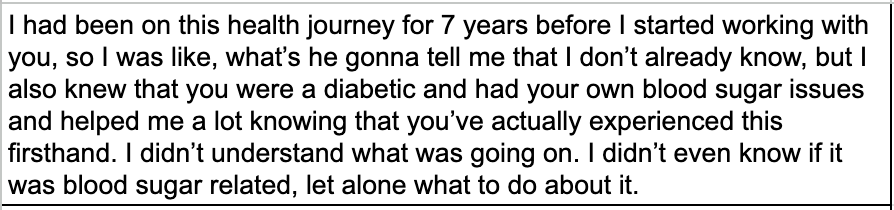
She had worked with a functional medicine doctor and felt somewhat better overall, but her blood sugar still did not make sense. So she wore a CGM and discovered what many of you have seen.
Her blood sugar was not coming down. She had insulin resistance and very low carb tolerance. Like many people in that position, she tried:
Keto
Fasting
Intense exercise
It helped for a short time but completely tanked her adrenal health. Now she was bouncing between:
Insulin resistance and stubborn highs
Hypoglycemia and blood sugar crashes
Nothing felt sustainable. Even after a six week blood sugar course that promoted keto, she still felt lost.
As someone who takes pride in taking care of her health, not being able to figure out her blood sugar felt really frustrating and discouraging.
That is when she found us. She told us she reached out because no one else was talking about blood sugar the way we do. She wanted:
Root cause answers
A clear understanding of how her body responds to food
A way to finally stabilize her blood sugar without wrecking her adrenals and thyroid
Step 1: Calming The Stress Response And Cell Danger Response
The first place we started with Kalli was her stress response. This is often the biggest missing piece for anyone with blood sugar issues.
If you have blood sugar imbalances, you automatically have a more sensitive stress response inside your body. It does not always matter whether your life looks stressful on paper. What matters more is how your body reacts to your environment.
The founder of stress research, Hans Selye, said it well.
“It is not the stress that kills us, it is our reaction to it.”
You can have a stressful life and be resilient enough that your blood sugar stays fairly stable.
You can also have a pretty calm life, yet if your stress response is hypersensitive, it can still trigger blood sugar spikes and crashes. For Kalli, we saw common patterns on her CGM:
High morning blood sugar
Big spikes after meals
Crashes followed by anxiety, fatigue, and that wired but tired feeling
Her main “strategy” at that point was:
Watching her CGM like a hawk
Cutting carbs to avoid spikes
For about 99% of people we work with, their blood sugar is already set up to spike or crash before they even sit down to eat. This is because of how their routine, sleep, and stress patterns are driving their internal stress response and cell danger response.
So with Kalli, we focused on things outside of food first:
Light exposure and circadian rhythm anchors
Simple nervous system practices to lower internal stress
Routines that gave her brain and body breaks instead of pushing all day
Once we calmed her stress response, her blood sugar became much more stable within a few weeks. She was not riding the same roller coaster every time she ate.
Step 2: Using The Pohlman Lab Bundle To Find Hidden Root Causes
The next step was to stop guessing and look at what was going on under the surface.
We used The Pohlman Lab Bundle, a series of nutrient based labs that allows us to pinpoint:
Deficiencies
Imbalances
Toxicities
These play a huge role in:
Blood sugar stability
Carb tolerance
Energy levels
Metabolism
Thyroid and adrenal health
For Kalli, her labs showed several key patterns.
High blood sugar ratio: Stress driven blood sugar issues
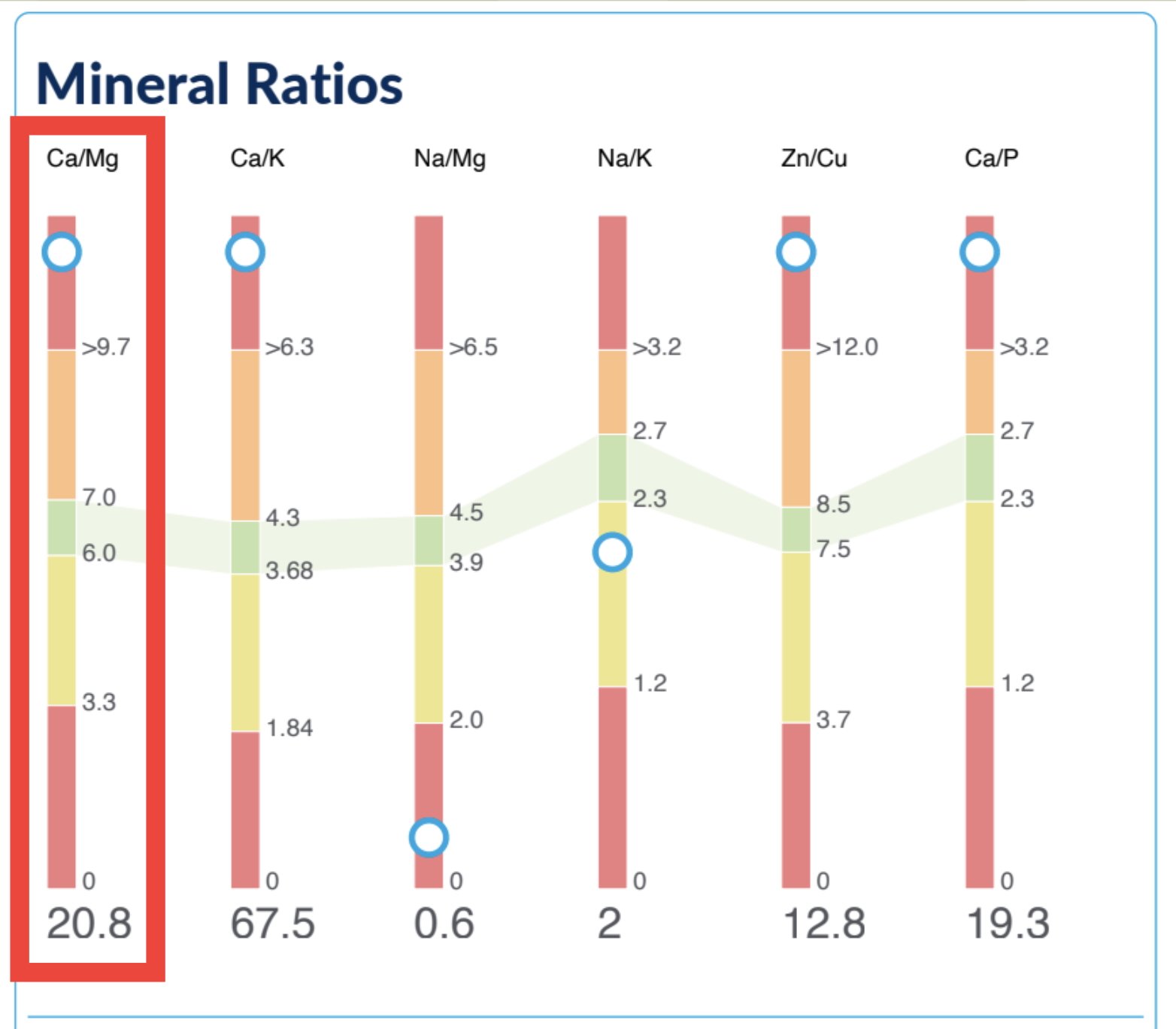
Kalli had a high blood sugar ratio, which often points toward blood sugar issues driven by:
Chronic stress and cell danger response
A history of trauma or overdoing it
Too much vitamin D for her body
Imbalanced meals
Deficiencies in calcium, magnesium, or vitamin K
This lined up with what she was experiencing. Her body was stuck in “go” mode internally, even when she was trying to be “healthy” on the outside.
High thyroid ratio: Thyroid hormone not being used well
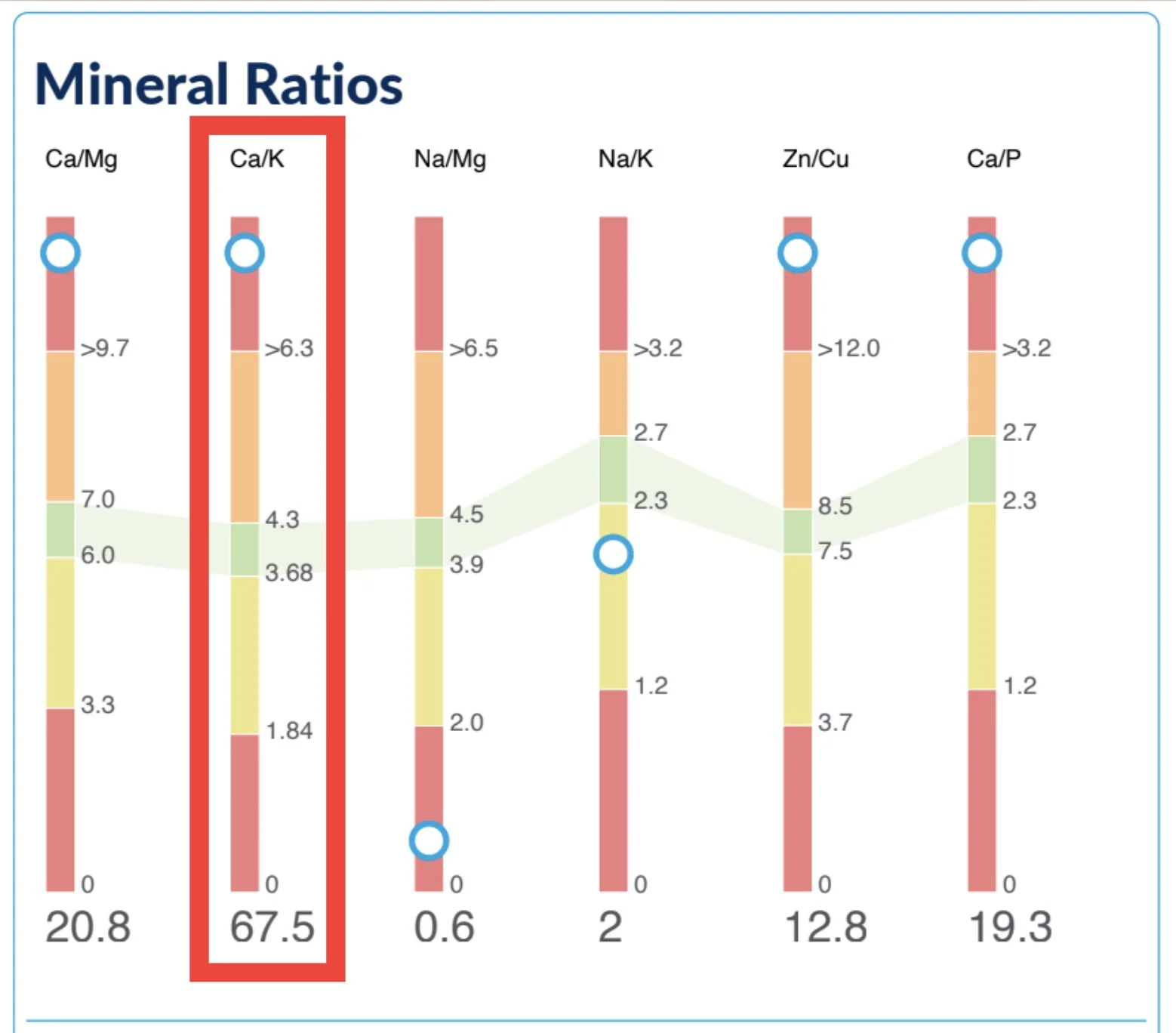
She also had a high thyroid ratio, which means:
Her body was having a hard time utilizing thyroid hormone
Stress and blood sugar swings were blocking her thyroid
Low potassium from past restrictive diets like keto made things worse
This is one of the reasons her thyroid medication had to be so high to begin with. Her cells were not using the hormone effectively.
As we improved this ratio and her blood sugar became more stable, she actually began to experience hyperthyroid symptoms on the same medication dose:
Racing heart
Anxiety
Feeling on edge
That was a sign her body no longer needed as much medication and could now better use what it was getting. With her doctor’s help, she was able to reduce her thyroid medication.
We see this pattern often. Clients have been on thyroid medication for many years. Once we improve their minerals, metabolism, and blood sugar balance, they are able to lower their dose or even come off completely, with their doctor’s guidance.
Low adrenal ratio: Exhaustion and stimulant dependence
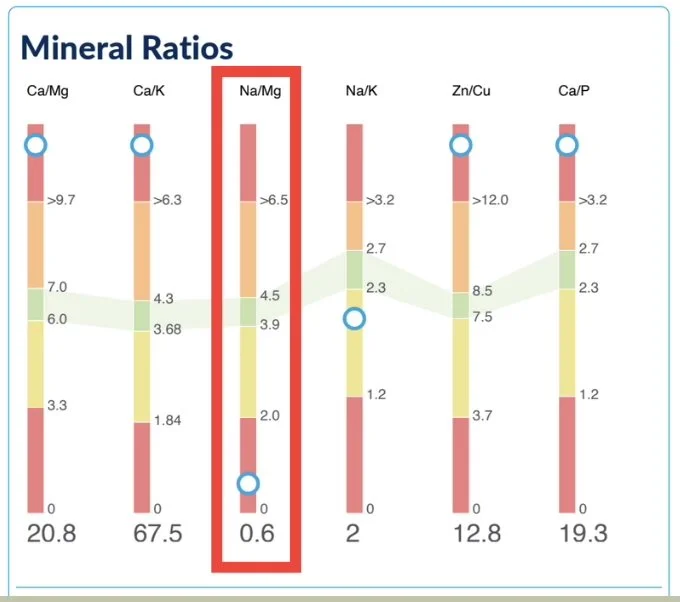
Kalli also had a low adrenal ratio, which signals:
Exhaustion and burnout
Heavy reliance on stimulants or adrenal supplements
A body that has been pushed too hard for too long
This explained why she felt like she “needed” adrenal supplements just to function and get through the day.
As she worked on foundational nutrition and lifestyle pieces, her adrenals slowly recovered. Over time, she was able to come off her adrenal supplements completely and actually felt better without them.
High iron, low copper, and low vitamin A: Inflammation and insulin resistance
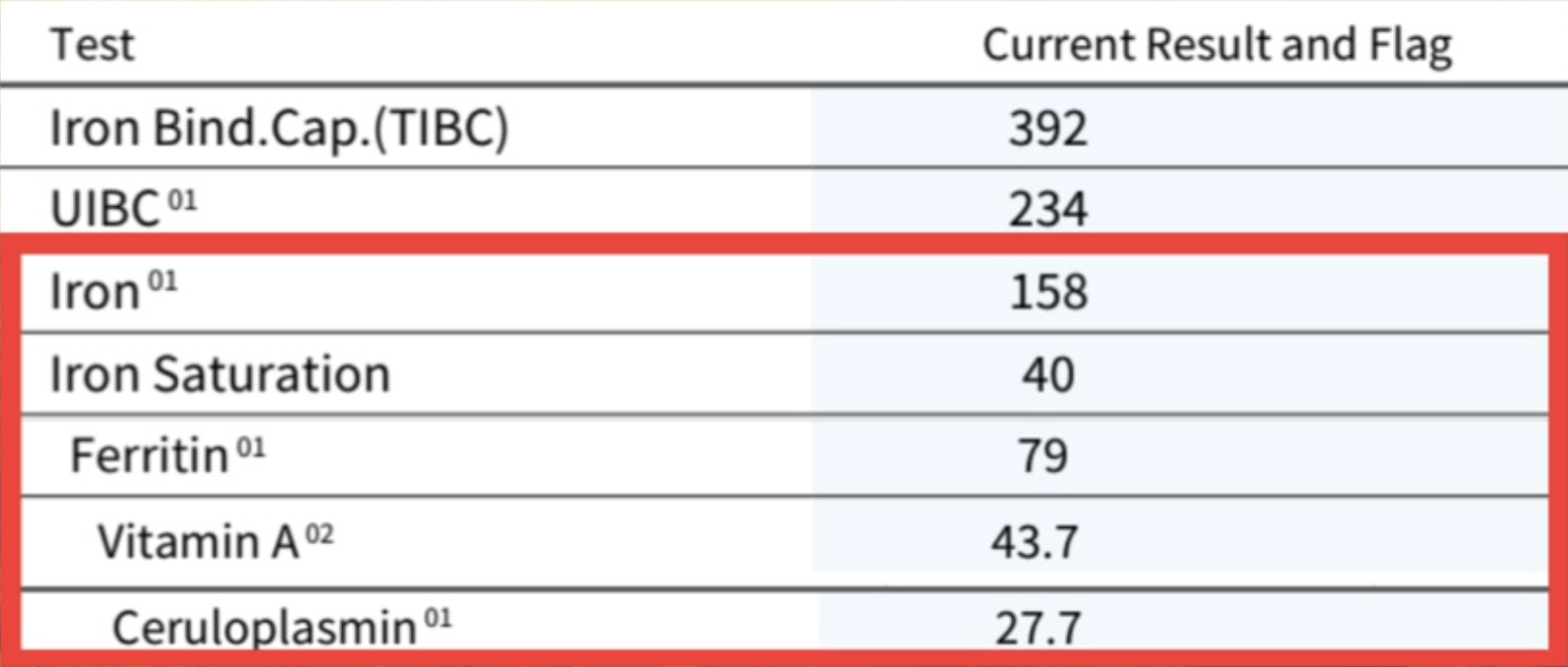
Her lab bundle also showed:
High iron
Low copper
Low vitamin A
This trio often points to:
High inflammation
Higher insulin resistance
Hormone disruption
Poor carb tolerance
Too much stored iron with low copper and vitamin A can:
Drive blood sugar higher
Increase oxidative stress
Make it harder for the pancreas and liver to do their job
By addressing these imbalances with targeted nutrition and lifestyle (and not just random supplements), we helped her body:
Lower inflammation
Improve insulin sensitivity
Use hormones more effectively
Step 3: Eating In A Way Her Body Responded To Best
The last big piece for Kalli was how she was eating.
Many popular approaches like keto, carnivore, low carb, and aggressive fasting never take into account you as a person and what your body actually responds to best.
Kalli was eating very frequently to try to keep her blood sugar stable, but her meals were light for what her body needed.
Think of it like building a fire. If you only throw in newspaper and twigs, you get a quick burst of flame that dies out fast. No lasting heat, no real stability.
That is what many blood sugar meals look like. What we wanted for Kalli was more “log on the fire” type meals. So we focused on:
Biofeedback
The signs her body was giving her that something was working or not, like energy, mood, mental clarity, hunger, and sleep
More dense, satisfying meals
Meals that had enough protein, carbs, and fats to actually hold her over for hours
Real food variety that matched her lab results
Nutrients that would support her thyroid, adrenals, and minerals, not just her CGM graph
We were not just chasing perfect blood sugar lines. We were looking at:
Does this meal keep you stable
Do you feel grounded and calm
Can you go longer without crashes
Are your symptoms improving
That approach allowed us to fill in the nutritional gaps that had been missed by past diets and protocols.
Kalli’s Results: Stable Blood Sugar, Better Energy, Less Medication
After working through The Pohlman Method and applying this root cause framework, here is what changed for Kalli. She:
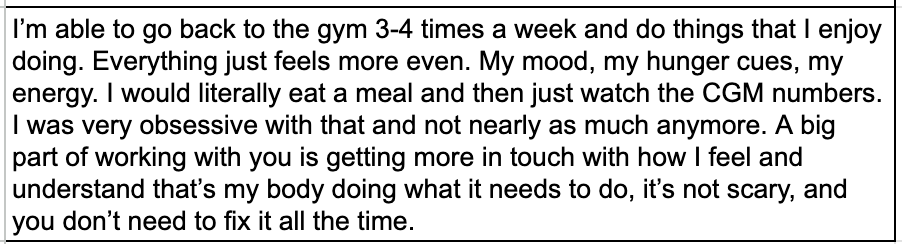
Normalized her blood sugar readings in the morning and after meals while incorporating carbs
Stopped bouncing between insulin resistance and hypoglycemia
Got rid of anxiety, brain fog, and constant fatigue
Reduced her thyroid medication dose with her doctor’s help
Came off her adrenal supplements and felt better without them
Regained enough energy to work out consistently for the first time in years
Saw her mood stabilize and felt calmer and more grounded
Lost about 10 pounds without trying or over focusing on the scale
Felt nourished mentally and physically instead of depleted and fearful of food
Most importantly, she stopped guessing how she was going to feel every day and had a clear plan that actually fit her life.
Want To Stabilize Your Blood Sugar While Eating Carbs Like Kalli Did
If you are crashing or spiking every time you eat carbs, or you feel like you are doing “everything right” and your blood sugar is still a mystery, you are not alone.
Kalli is a great example of what can happen when you stop chasing hacks and start addressing the real root causes behind your blood sugar swings.
If you want to stabilize your blood sugar, regain your energy, and get rid of your symptoms for good all while eating carbs, you can apply to work with me and my team at The Pohlman Institute, and we will see if we are a good fit to help you too!