How Savana Eliminated Reactive Hypoglycemia, Stabilized Blood Sugar, And Got Pregnant While Eating Carbs
If you struggle with reactive hypoglycemia, feel dizzy and foggy after meals, and worry that your blood sugar issues might affect your chances of getting pregnant, you are not alone.
This is exactly where Savana started.
In this client case study, you will learn how she eliminated reactive hypoglycemia, stabilized her blood sugar, and got pregnant without cutting out carbs and without obsessing over every meal. You will also see how a root cause approach can help you stabilize blood sugar naturally, even when standard advice has failed.
Savana’s Starting Point With Reactive Hypoglycemia And Fertility
Savana came to us at one of her lowest points. For nearly two years she had been experiencing:
Blood sugar crashes like clockwork between 10:30 a.m. and 8:00 p.m.
Dizziness and exhaustion
Brain fog that felt floaty, drunk, and hungover
Anxiety around food and eating
Waking up at 3:00 a.m. with low blood sugar symptoms
The confusing part was that Savana was already doing everything “right.” She was:
Eating clean, balanced meals
Staying active with hiking and weightlifting
Following traditional guidelines like small, frequent meals
Yet her reactive hypoglycemia symptoms kept getting worse. Movement made her feel worse, not better, and even her “safe foods” started to trigger blood sugar crashes.
She met with other dietitians and nutritionists who told her she was already doing everything correctly and that nothing in her labs explained her symptoms. That left her feeling helpless and wondering, “If nothing is wrong, why do I feel this bad”
Like many people with reactive hypoglycemia, she started to believe this was just how things would be, even though it was destroying her quality of life.
It was also affecting her work. As a therapist, she felt like she was not able to show up fully for her clients because her mind was constantly preoccupied with symptoms and fear of the next crash.
Who We Are And How We Help People With Reactive Hypoglycemia
I’m Isaac Pohlman, a registered dietitian, fellow person with type one diabetes, and the CEO of The Pohlman Institute. Our team has helped hundreds of clients around the world:
Balance blood sugar
Lower A1C
Eliminate low blood sugar crashes
Restore their health
All without cutting out carbs or relying only on medication.
If you are ready to put an end to your reactive hypoglycemia, and you want support, guidance, and accountability from a team that looks far beyond “just eat regular, balanced, healthy meals,” you can apply to work with me and my team here!
Why Standard Advice Did Not Stop Savana’s Reactive Hypoglycemia
By the time Savana found us, she had:
Worked with multiple dietitians and nutritionists
Cleaned up her nutrition
Tried small, frequent meals
Stayed active and “healthy”
Yet her low blood sugar crashes and reactive hypoglycemia kept coming. Standard advice could not answer key questions:
Why were her blood sugar crashes so predictable
Why did “safe foods” suddenly start causing crashes
Why did exercise make her feel worse over time
Why were her labs “normal” while her symptoms were not
The missing piece was a root cause, functional nutrition approach that looked beyond basic macros and lab values and dug into how her body was processing stress, carbs, and minerals.
Here’s what we did inside The Pohlman Method to eliminate her reactive hypoglycemia and help her feel safe in her body again.
Step One: Shifting Her Mindset Around Meals And Crashes
For one hundred percent of our clients with reactive hypoglycemia, mindset around eating is a major driver. Savana went into almost every meal thinking:
Am I going to react to this
Is this going to cause a crash
When will I need to eat again to prevent symptoms
What do I need on hand to fix the crash when it comes
She was constantly trying to perfect every meal to avoid a crash. This meant her nervous system was in a heightened state every time she ate.
That state naturally raises stress hormones and makes it harder to stabilize blood sugar. It is like driving a car while repeatedly telling yourself you are going to crash. Your shoulders tighten, your grip gets rigid, and you become less capable, not more.
We worked with Savana to change her pre meal mindset.
Instead of focusing on fear and what could go wrong, we helped her focus on:
How nourishing the food would be
How the meal would support her energy and brain function
How it would help her show up fully with her therapy clients
This did not magically erase reactive hypoglycemia overnight, but it dramatically reduced the stress response around meals. That shift helped lower stress hormones, which is an essential part of how to stop reactive hypoglycemia and build a more stable blood sugar pattern.
Step Two: Personalization Using Biofeedback Instead Of Generic Rules
Savana already had a strong health foundation. She ate well and she was active. At that level, generic advice is not enough. You need personalization that looks at your real life, your routine, and your body’s specific responses.
We focused on her biofeedback, the signals her body was giving her, such as:
Energy
Mood
Sleep
Blood sugar swings
Cravings
Exercise tolerance
Instead of asking “Is this food healthy” we asked “How does your body respond to this meal over the next few hours”
Because people with reactive hypoglycemia are often what we call sugar burners, their bodies rely heavily on carbohydrate energy. When they run out of that sugar energy and cannot smoothly switch over to using fat for fuel, they experience an energy crisis.
That crisis shows up as:
Dizziness
Lightheadedness
Cloudy, hungover feeling
Weakness and shakiness
Inability to exercise without crashing
By tracking her biofeedback and patterns, we could see exactly which nutrition and lifestyle strategies helped her body maintain steady energy and which ones pushed her toward a crash. From there, we:
Doubled down on meals and habits that kept her energy steady
Adjusted her meal timing and composition so her body had more consistent fuel
Supported her ability to go longer between meals without symptoms
This is a key part of stabilizing blood sugar naturally and moving out of survival mode.
Step Three: Building Resilience So She Could Tolerate Carbs Again
Our goal was not to keep Savana in a tiny box of “safe foods.”
True recovery from reactive hypoglycemia means you can eat a wide variety of foods and your body can stay stable, including foods that once triggered you, like:
White rice
Oatmeal
Fruit
Other carbohydrate rich foods
So we focused on building her resilience and metabolic flexibility.
To do that, we used The Pohlman Lab Bundle, a set of nutrient based labs that help us identify mineral imbalances and system stress that often go hand in hand with hypoglycemia.
With Savana, we found three important patterns:
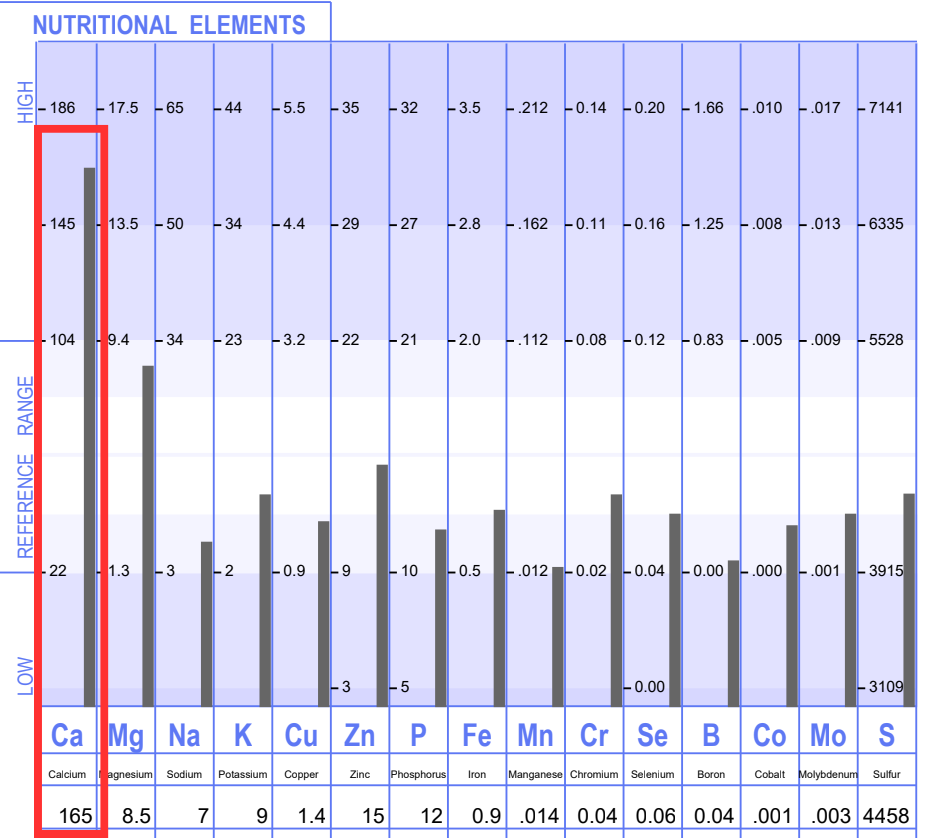
1. High tissue calcium
This pointed to an insulin dominant state, meaning her body needed a lot of insulin to control blood sugar spikes. That may temporarily control highs, but it often leads to sharp drops and more blood sugar crashes. High calcium at this level can also affect thyroid function, which helped explain why she felt so depleted, especially with exercise.
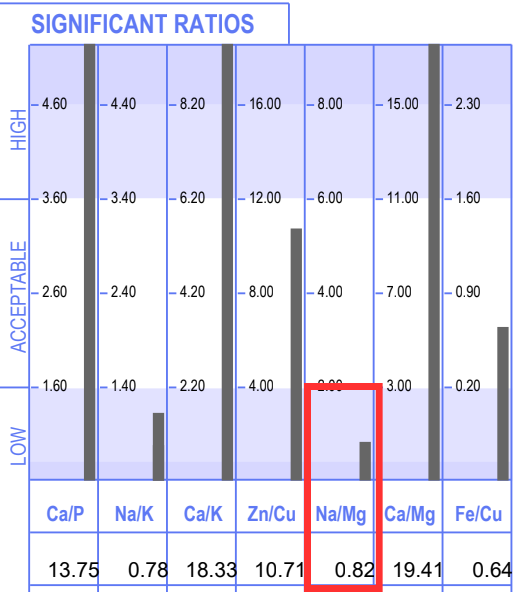
2. Low adrenal ratio
People with reactive hypoglycemia can have plenty of insulin circulating, but whether they actually crash often comes down to adrenal health and stress hormones. With a low adrenal ratio, her body had very little ability to buffer drops in blood sugar. There was no backup system to prevent the crash.
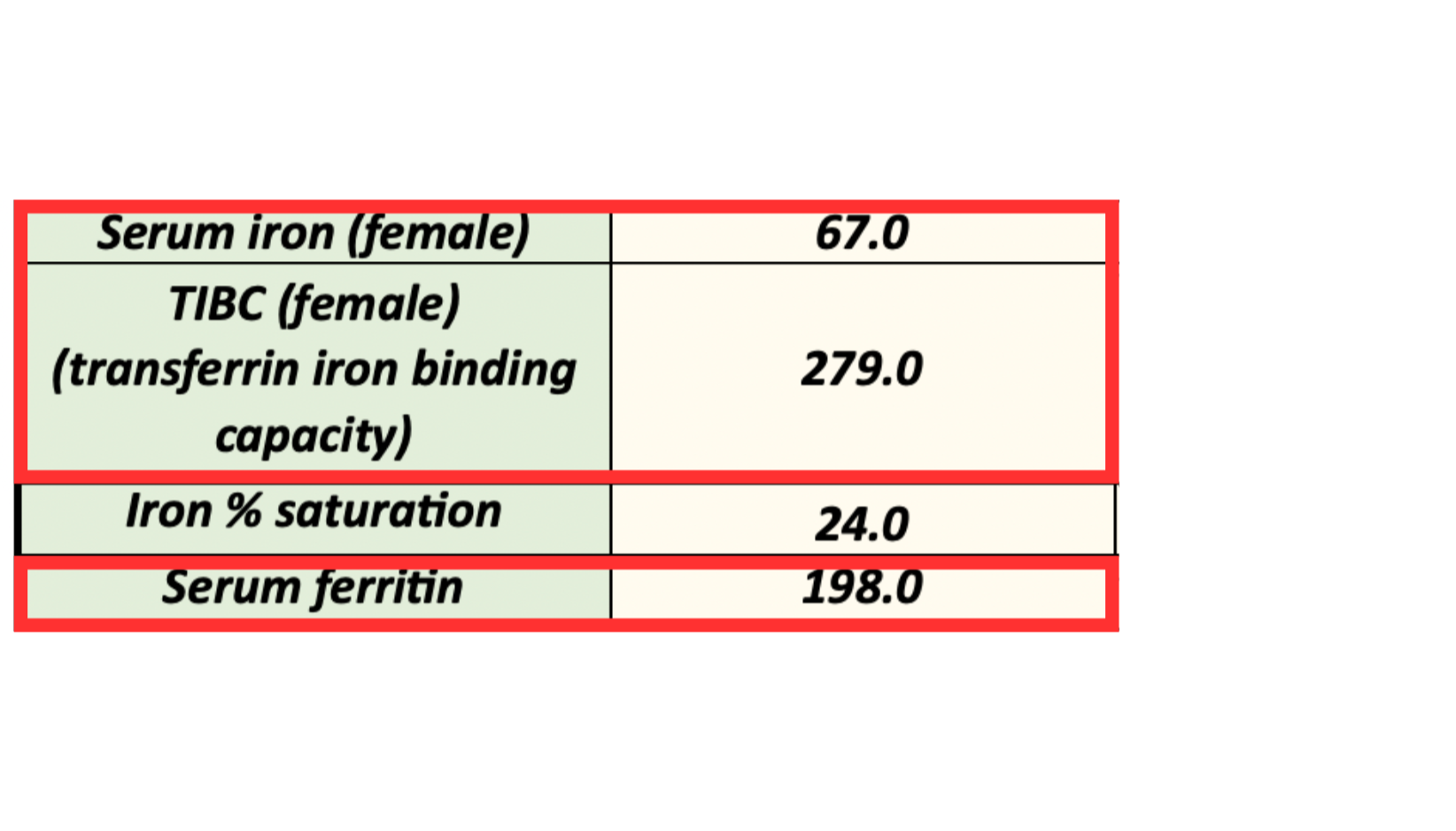
3. High stored iron
Iron is essential, but when stored in excess it can drive inflammation and further destabilize blood sugar. For Savana, this was getting in the way of steady blood sugar and also could have made a future pregnancy more challenging.
We used these findings to:
Tailor her nutrition so she was getting the right nutrients in the right amounts
Support her body’s ability to hold on to key minerals instead of just supplementing and hoping for the best
Improve thyroid and adrenal resilience so her body could handle stress and carbs without spiraling into a crash
This functional approach is a big part of root cause treatment for reactive hypoglycemia and why her body was able to fully stabilize.
Savana’s Results: No More Reactive Hypoglycemia And A Healthy Pregnancy
After working through The Pohlman Method and addressing these root causes, Savana experienced major changes. She:
Eliminated reactive hypoglycemia
Stabilized her blood sugar even while eating foods she used to react to
Stopped waking up at 3:00 a.m. with blood sugar crashes
Started sleeping through the night
Got rid of the drunk, hungover brain fog and regained mental clarity
Showed up fully with her therapy clients without worrying about the next crash
Went from hyper fixating on food and timing to often forgetting she had ever struggled with low blood sugars
Built her energy back up and returned to exercise, including hiking and weightlifting, without crashing
Got pregnant and sustained a healthy pregnancy
Most importantly, she feels safe in her body again. She does not have to think about every bite of food or every minute on the clock. She has tools to keep her blood sugar stable and trust that her body can handle carbs and life without constant crisis.

Can You Get Pregnant With Reactive Hypoglycemia Without Cutting Carbs
Savana’s story shows that it is possible to:
Eliminate reactive hypoglycemia
Stabilize blood sugar naturally
Improve energy and focus
Get pregnant and maintain a healthy pregnancy
All while still eating carbs and without obsessing over every meal.
If you are living with reactive hypoglycemia and feel like you have tried everything, the missing piece is often a root cause approach that looks at mindset, personalization, mineral balance, and stress physiology, not just food rules.
Ready To Work On Your Own Reactive Hypoglycemia Story
If you want to eliminate blood sugar crashes, get your energy back, and feel safe in your body again, it may be time for a more root cause, functional approach.
At The Pohlman Institute, our team helps clients:
Understand why reactive hypoglycemia is happening in the first place
Create a personalized plan for nutrition, stress, and lifestyle
Improve carb tolerance and metabolic flexibility
Stabilize blood sugar naturally for the long term
If you are ready to put an end to your reactive hypoglycemia, and you want support, guidance, and accountability from a team that looks far beyond “just eat regular, balanced, healthy meals,” you can apply to work with me and my team here!
From there, we will talk about how we can help you stabilize your blood sugar naturally, get rid of your symptoms while still eating the foods and doing the activities that used to crash you, and even prepare for your next pregnancy in a way that truly fits your life, like Savana!